It's Okay to Not Be Okay Svg
As a designer and embroidery product reviewer, I've seen my fair share of digital files. But when I came across the It's Okay to Not Be Okay Svg, I knew it had potential—but also some nuances that needed careful consideration. This is a design that could work well in the right context, but not every project will benefit from it. Let’s break it down.
First Impressions: A Design That Speaks Volumes
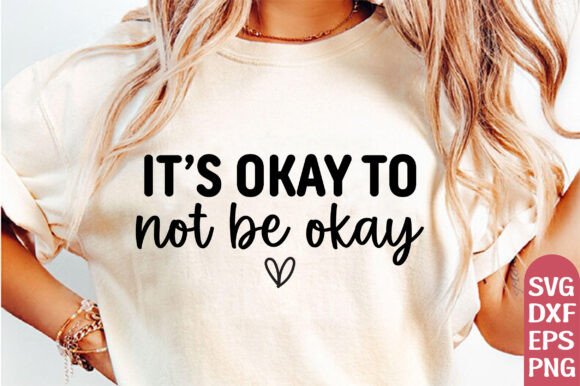
The It's Okay to Not Be Okay Svg has a bold, almost defiant vibe. The text is clean, modern, and carries a message that resonates with many people. It’s not just a phrase—it’s an attitude. The layout is straightforward, with a single line of text centered in a simple shape. There are no intricate details or complex elements, which makes it easy to work with, but also limits its versatility in certain applications.
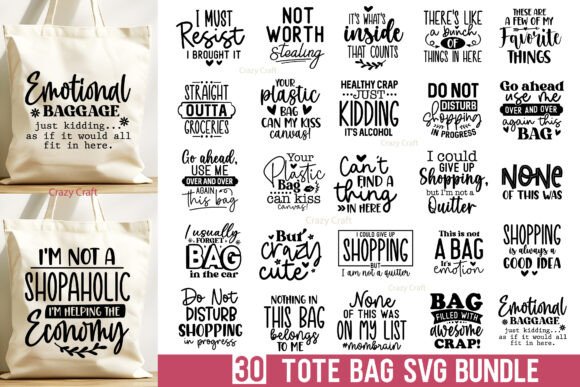
This design feels like it belongs on something personal, like a custom tote bag or a sweatshirt for someone who wants to make a statement. It’s not the kind of design you’d use for a delicate baby onesie, but it could work well on a durable item like an apron or a patch.
Real-World Use Cases: Where It Shines and Where It Falters
When I think about using the It's Okay to Not Be Okay Svg in real projects, I imagine it as part of a custom apparel line for a small business. It could be a great addition to a collection of statement t-shirts or tote bags. The simplicity of the design allows for easy customization—whether it’s changing the font style, adding a border, or adjusting the size.
However, this design isn’t ideal for everything. If you're working on a baby onesie or a thin fabric, the text might appear too large or overwhelming. The same goes for items that require a lot of detail, like a patch with multiple layers or a complex applique. In those cases, the It's Okay to Not Be Okay Svg might not hold up as well.
Embroidery Performance: What to Expect
From a technical standpoint, the It's Okay to Not Be Okay Svg is straightforward. It doesn’t have a lot of fine lines or intricate shapes that could cause issues during stitching. That means it should work well on most standard embroidery machines, especially if you’re using a basic hoop size.
But don’t let the simplicity fool you. Even the simplest designs can present challenges. For example, if you’re using a dark fabric, the thread color needs to contrast well. If you’re working with a stretchy material, you’ll need to use the right stabilizer to prevent puckering. And if you’re planning to use this on a curved surface like a cap, you may need to adjust the design slightly to ensure it looks good after stitching.
Where to Be Cautious: Limitations and Considerations
There are a few areas where the It's Okay to Not Be Okay Svg might not perform as well. Small hoop sizes can be a problem if the design is too large. Similarly, if you're working with textured or thin fabrics, the design might not sit flat or look as crisp as you'd like.
Dense stitch areas can also be an issue. While the It's Okay to Not Be Okay Svg is relatively simple, if you're using a lot of satin stitch or fill stitch, it could become too heavy or stiff. That’s something to keep in mind if you're making a product that will be used frequently, like a towel or a pillow cover.
Visual Appeal and Customer Perception
One of the biggest factors in any embroidery project is how it looks once finished. The It's Okay to Not Be Okay Svg has a strong visual presence, but it’s also very direct. That can be a good thing if you're targeting a specific audience, but it might not appeal to everyone. Customers who want something subtle or understated might find it too bold.
That said, the design has a high level of recognition. People will immediately understand the message, which can be a big plus for handmade products or personalized gifts. It also adds value to your offerings, especially if you're selling it as part of a collection or a themed set.
Practical Tips for Designers and Sellers
If you're planning to use the It's Okay to Not Be Okay Svg in your own projects or sell it as a digital product, here are a few things to keep in mind:
- Test it first: Always try the design on different fabrics before committing to a full project.
- Check thread contrast: Make sure the thread color works well with the fabric you're using.
- Review stitch density: Adjust the settings to avoid over-stitching or under-stitching.
- Confirm hoop size: Ensure the design fits within your machine’s capabilities.
- Inspect small details: Look closely at corners and edges to make sure they come out cleanly.
- Use proper stabilizer: This is especially important for stretchy or delicate materials.
- Check licensing: Make sure you’re allowed to sell finished products or digital files based on this design.
Final Thoughts: A Design With Purpose
The It's Okay to Not Be Okay Svg is a design that’s not for everyone, but for those who need it, it can be powerful. It’s a great choice for custom apparel, handmade products, and personalized gifts. However, it requires thoughtful application to ensure it looks its best and meets customer expectations.
As a designer, I always recommend taking the time to test and evaluate any file before using it in a real project. The It's Okay to Not Be Okay Svg is no exception. With the right approach, it can be a valuable addition to your embroidery arsenal—and a meaningful statement for your customers.